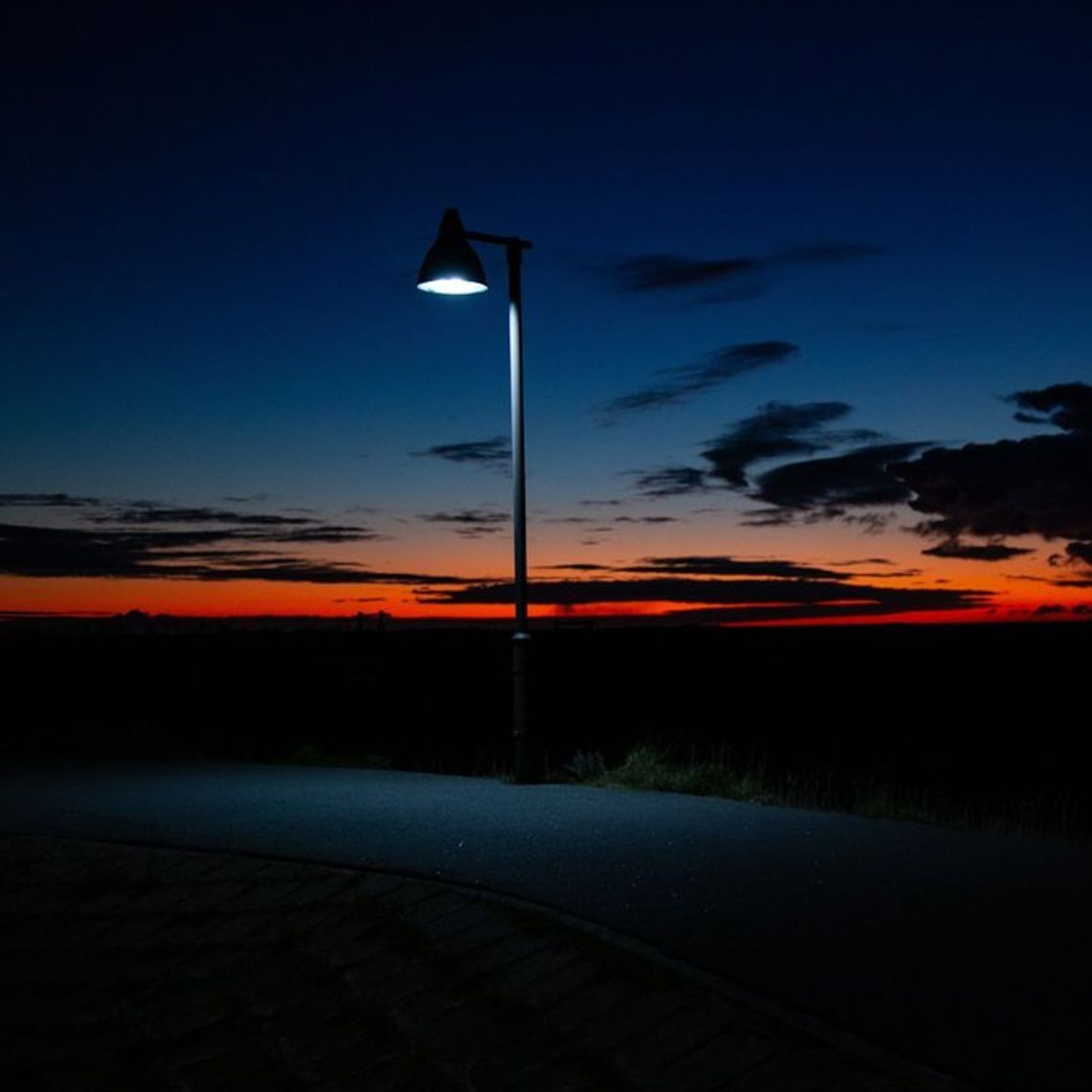
If you instinctively clap four times after hearing “The stars at night are big and bright,” then the work of DarkSky Texas might hit home. But across Texas, those stars are becoming harder to see, and in the Wimberley Valley, residents are working to make sure they do not disappear.
As communities across the Texas Hill Country continue to grow, preserving the region’s dark, star-filled skies is becoming more difficult. International Dark Sky Week, observed last week, highlights those efforts and encourages residents to take simple steps to reduce unnecessary light.
In the Wimberley Valley, that work has taken shape through a coordinated effort between the cities of Wimberley and Woodcreek, local volunteers and regional partners. The two communities share a joint dark sky community designation, reflecting years of collaboration aimed at protecting the night sky.
Dawn Davies, Night Sky Program Manager for the Hill Country Alliance, said that partnership is a key part of the valley’s success.
“It’s rare to see two communities come together like that,” Davies said. “Wimberley and Woodcreek share that designation, and it reflects a valley-wide commitment to protecting the night sky.”
Davies said much of that work is driven by volunteers, including a long-standing local dark sky group that focuses on education and outreach.
“A lot of night sky preservation work in the Hill Country is volunteer-based,” she said. “Wimberley is no different. You have community members who are really passionate about it, coming together to educate others and build awareness.”
Davies credited the Wimberley Valley Dark Sky organization with much of the success the community has seen with the initiative. She pointed to the frequent local events, even though last week’s planned star party got cancelled due to weather.
“They’ve been really creative in how they bring people outside to experience the night sky,” Davies said. “They host events during Hill Country Night Sky Month, full moon gatherings and participate in things like Halloween and Harvest Moon activities. It’s a time when people are more comfortable being outside at night, and they use that to connect people to the sky.”
While local efforts like those in the Wimberley Valley are important, advocates say the issue extends beyond any one community.
DarkSky Texas is the state chapter of DarkSky International, focused on reducing light pollution through education and advocacy.
Board member Soll Sussman said the issue goes beyond stargazing.
“We’re trying to bring awareness about responsible outdoor lighting to as many people in Texas as we can,” Sussman said. “We are losing our view of the night sky at a significant rate, but just as importantly, light pollution affects wildlife, plants and human health.”
Sussman said some estimates suggest visibility of the night sky is declining by as much as 10% per year in some areas, driven largely by increasing artificial light at night.
Artificial light can disrupt natural cycles for birds and other wildlife, interfere with plant growth and impact human sleep patterns. While preserving the stars is one benefit, Sussman said the broader goal is improving environmental and community health.
The issue is especially noticeable in the Texas Hill Country, where rapid growth is increasing nighttime light levels.
“People move out here for the rural beauty and the night skies,” Sussman said. “But they often bring habits from the city, like leaving bright lights on all night, and that adds up.”
While cities like Wimberley and Woodcreek have adopted lighting standards and focused on education, large portions of surrounding counties remain unregulated.
“Counties generally don’t have the authority to adopt lighting ordinances like cities do,” Sussman said. “So a lot of the impact comes from individual choices.”
Hays County has started a practice of incorporating DarkSky lighting requirements into development agreements throughout the county. While they don’t have the authority to require properties to comply with such a rule in the vein of a city ordinance, the practice has often gotten new commercial development in the unincorporated areas of the county to start with dark sky lighting practices.
DarkSky Texas promotes a set of practical guidelines aimed at reducing excess lighting without sacrificing safety. Those include using light only when needed, directing it downward, keeping brightness to the lowest effective level, using timers or motion sensors and choosing warmer-colored lighting.
For residents, that can be as simple as switching to warmer bulbs, shielding outdoor fixtures or turning off unnecessary lights overnight.
“Lighting doesn’t automatically make a place safer,” Sussman said. “There’s little consistent evidence that brighter lighting alone reduces crime, but there is clear evidence that poorly used light creates problems.”
The full guidelines emphasize reducing glare and limiting how much light escapes into the night sky .
Sussman said his interest in the issue began after moving from Northwest Austin to Driftwood more than a decade ago.
“I had never thought much about the night sky before,” he said. “Then I moved out here and it was incredible. But over time, I noticed it changing.”
Davies said that kind of community-level engagement is what makes a difference.
“They understand what matters to their community,” she said. “And they’ve found ways to connect that to protecting the night sky.”
While the Wimberley Valley still offers some of the best night sky views in the region, continued growth means those efforts will remain important.
“This is something people can address right now,” Sussman said. “If we all use light more responsibly, we can protect the night sky and everything that depends on it.”
As development continues across the Hill Country, that balance between growth, tourism and conservation will shape whether future generations still have a chance to enjoy those stars at night that are big and bright deep in the heart of Texas.